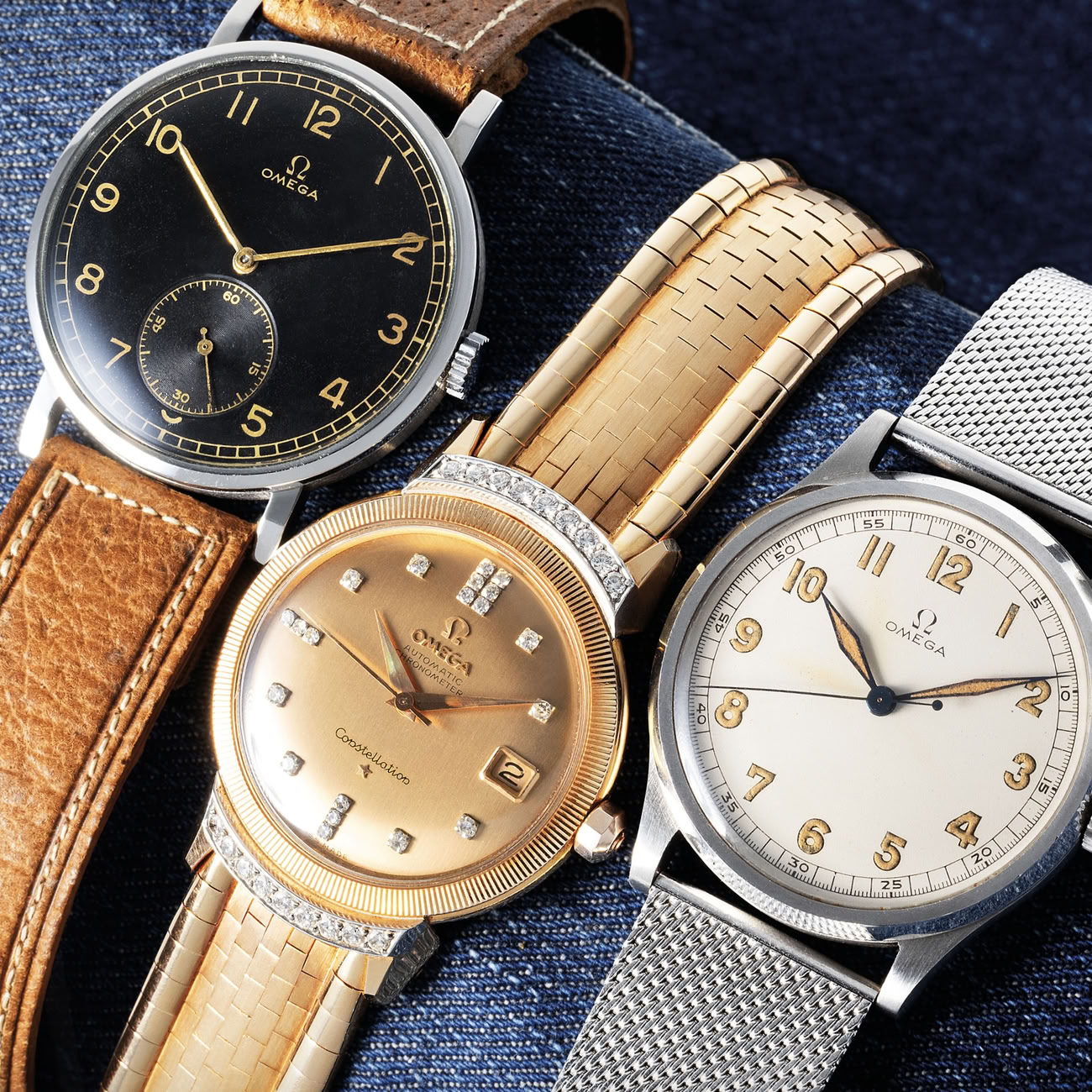
The John Goldberger Omega Time-Only Collection
Few collectors have influenced the appreciation of vintage watches as profoundly as John Goldberger. His collections and scholarship have helped define generations of collectors, while his books remain among the most respected references in the field. Although his name is naturally associated with exceptional Rolex and Patek Philippe wristwatches, another collecting passion has quietly accompanied him for more than two decades; vintage Omega watches.
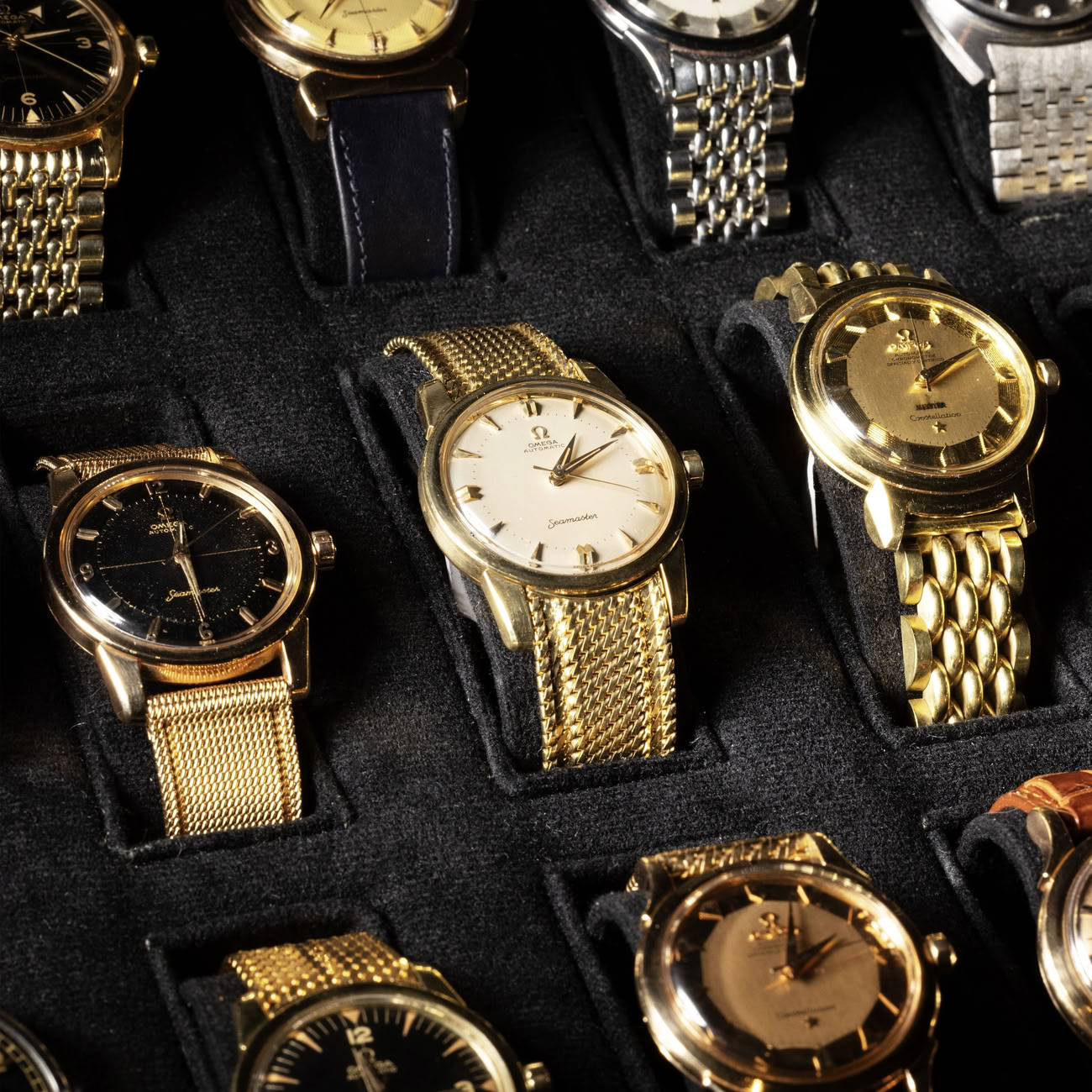
This July, Monaco Legend Group presents 48 watches from Goldberger’s personal collection in a dedicated auction. Spanning the 1930s through to the 1960s, the collection brings together Seamasters, Constellations, Chronomètres and other remarkable time-only references, illustrating one of the richest periods in Omega’s history. More than simply a group of beautiful watches, it represents twenty years of careful study, patient acquisition and an uncompromising eye for quality.
For Goldberger, the relationship with Omega began long before he became one of the world’s leading collectors. “My first watch was a steel and gold Omega Seamaster Calendar,” he recalls. “My father gave it to me for my First Communion when I was nine years old.” That early connection remained with him and what followed was a genuine fascination with Omega’s extraordinary technical achievements during the post-war decades.

He points to the late 1940s as a defining moment. Once Rolex’s patent for the self-winding rotor expired in the early 1950s, Omega rapidly established itself as one of its principal rivals, introducing its own automatic movement and launching the Seamaster in 1948. At the same time, the manufacture was producing an extraordinary variety of references, movements and dial configurations. “I was attracted by the Constellation and Seamaster models because they reminded me of the Rolex Bubbleback,” he explains, “but with a tremendous variety of references and an extraordinary number of different dial executions.”
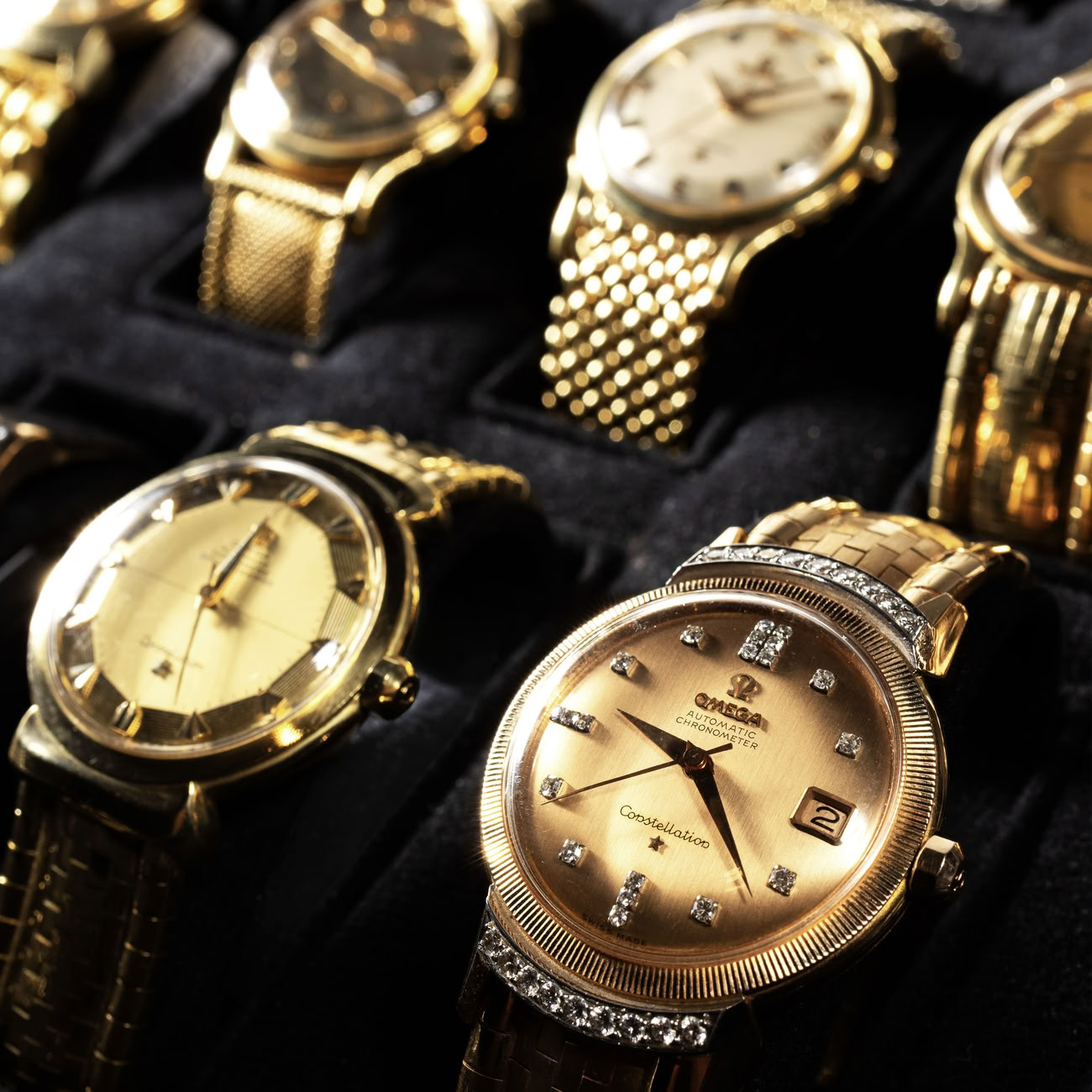
That diversity is immediately apparent throughout this collection. Rather than concentrating on a handful of famous references, Goldberger sought to illustrate the remarkable breadth of Omega’s production during its golden years. Elegant dress watches sit alongside Observatory-grade Chronomètres, while familiar references are joined by rare dial variations, unusual case materials and technically significant movements. The result is not a reference collection in the conventional sense, but a collector’s collection, assembled by instinct, scholarship and a deep appreciation for quality.
Indeed, movement quality has always played a central role in Goldberger’s collecting philosophy. Asked how he selected watches over the past twenty years, his answer is remarkably direct: “I try to select the wristwatches only by quality and by the rarity of the movements.”
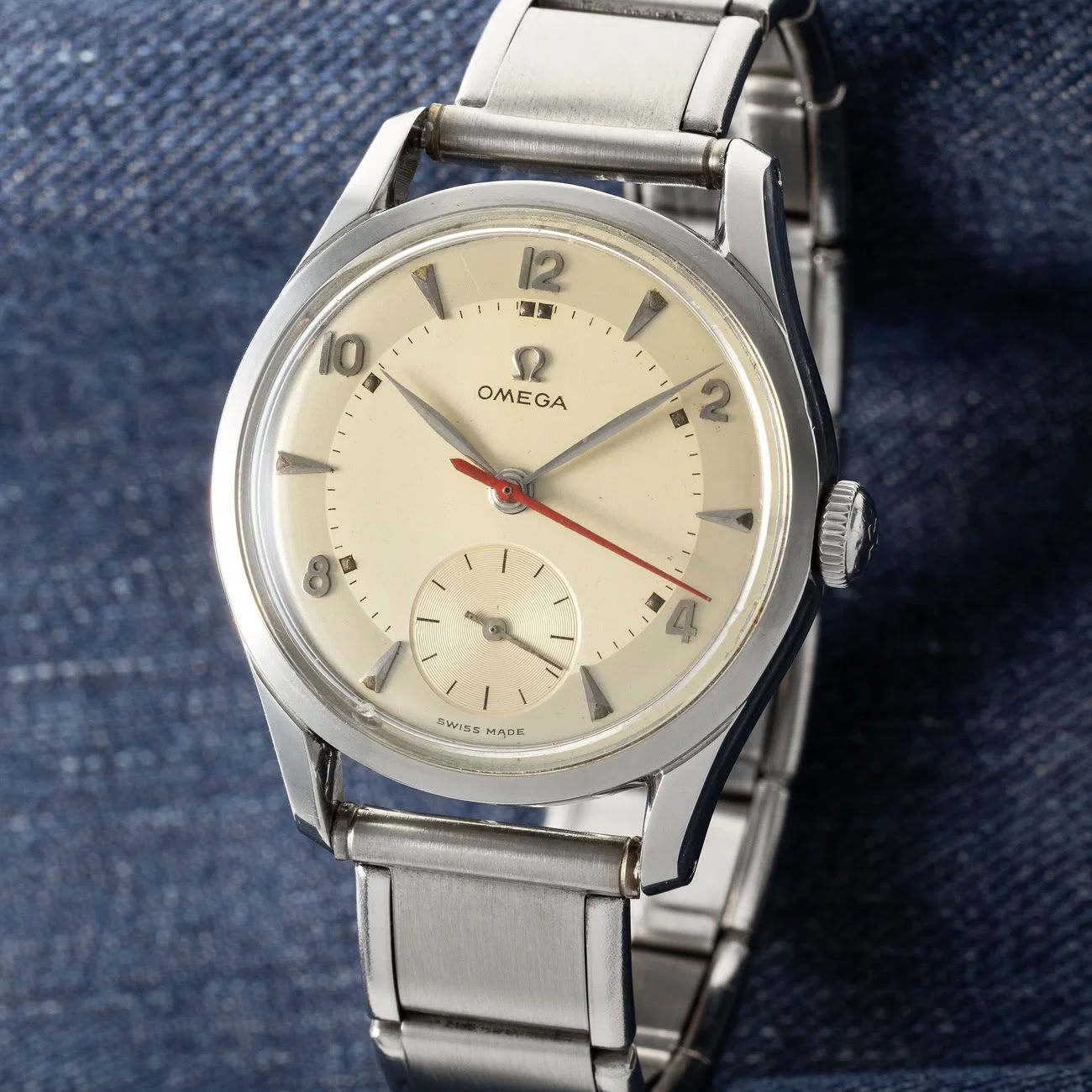
It is an observation that reveals much about the collection itself. While many collectors begin with reference numbers or market values, Goldberger has consistently looked beneath the dial. Omega’s reputation during the mid-twentieth century was built not only upon elegant design but upon an extraordinary succession of technically accomplished calibres. The legendary 30 mm movement family, the early automatic calibres and the Observatory Chronometer movements remain among the finest serially produced mechanisms of their era, combining reliability, precision and exceptional finishing.
When evaluating a vintage Omega, Goldberger’s priorities remain equally straightforward. “The rarity of the reference and the freshness of the dial.” It is advice that reflects one of the fundamental truths of vintage collecting. Originality cannot be recreated. A crisp dial, untouched case and correct movement will always command the attention of knowledgeable collectors, regardless of changing fashions.
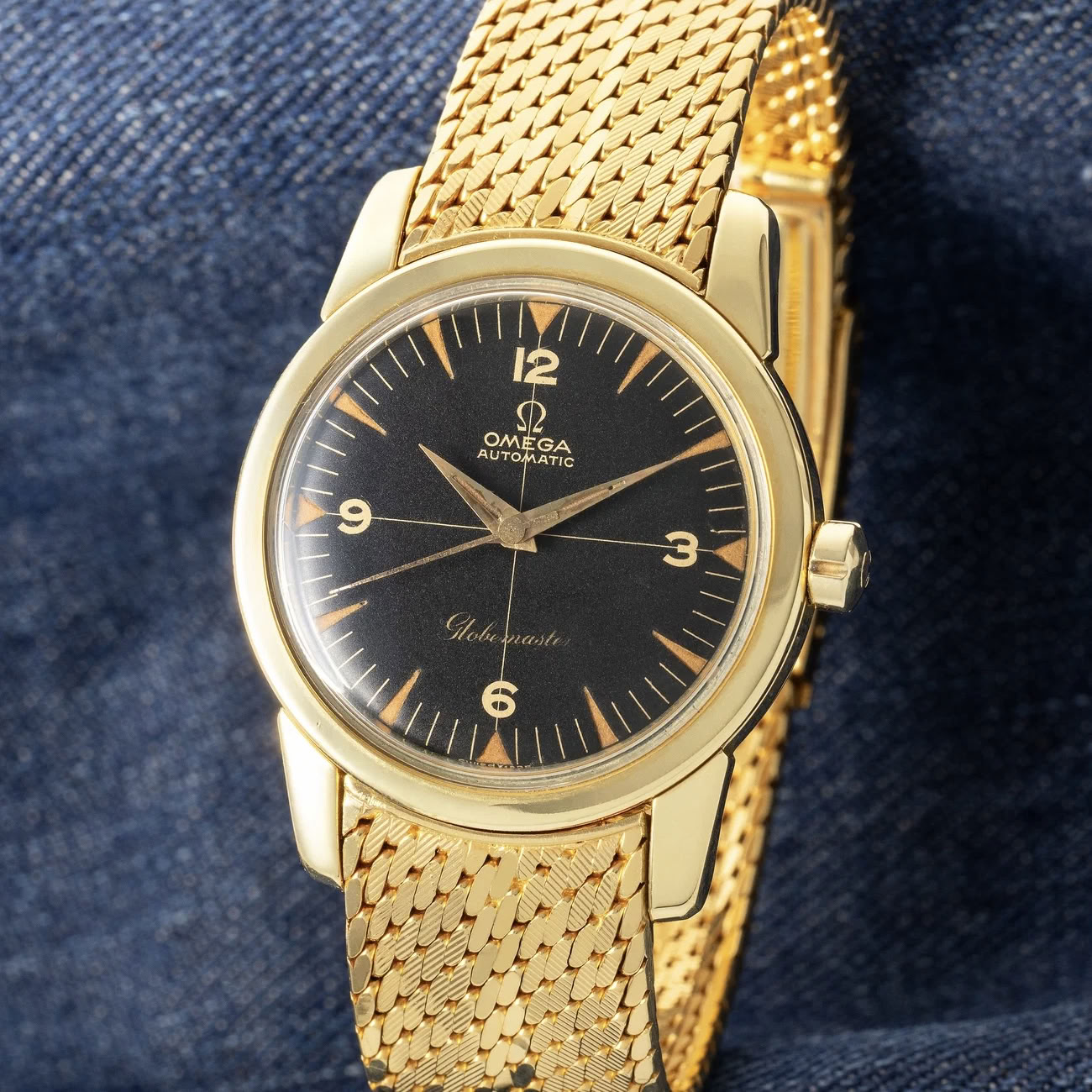
Fashion, in fact, has never dictated his collecting decisions. For many years, the spotlight remained firmly on Speedmasters and Rolex sports models, leaving many of Omega’s finest time-only watches comparatively overlooked. Goldberger believes that perception is changing. “The early Seamaster and Constellation models are underrated. These were the watches with which Omega began competing directly with Rolex.”
Yet despite the scholarship and technical interest that underpin the collection, Goldberger never loses sight of the simple pleasure of wearing a watch. Asked what first attracts him to a particular Omega, his answer is almost disarmingly simple: “The clean design and the wearability on my wrist.” It is perhaps this balance between technical excellence and restrained elegance that explains why these watches continue to appeal to collectors more than half a century after they were made.
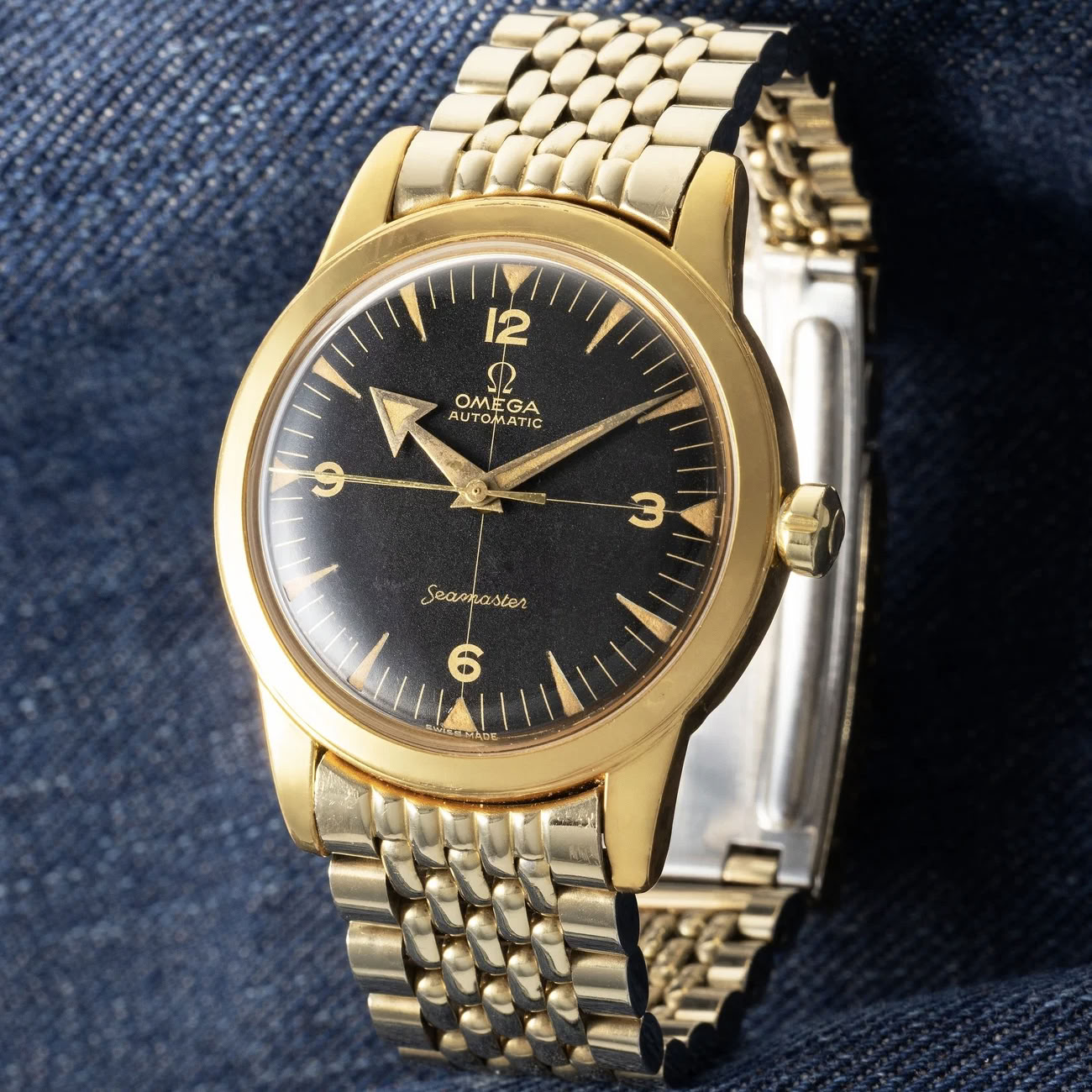
Like every great collection, this one is also shaped by stories. One of Goldberger’s personal favourites is Lot 39, that he remembers discovering nearly twenty years ago at an IWJG convention in New York. He explains: “On the last day I found a very rare gold filled Seamaster with a fascinating black dial and broad arrow hands. Unfortunately, I had run out of cash, but with the help of a good friend of mine, actually Davide, I closed the deal!” It is a reminder that even the world’s greatest collections are built patiently, one discovery at a time.
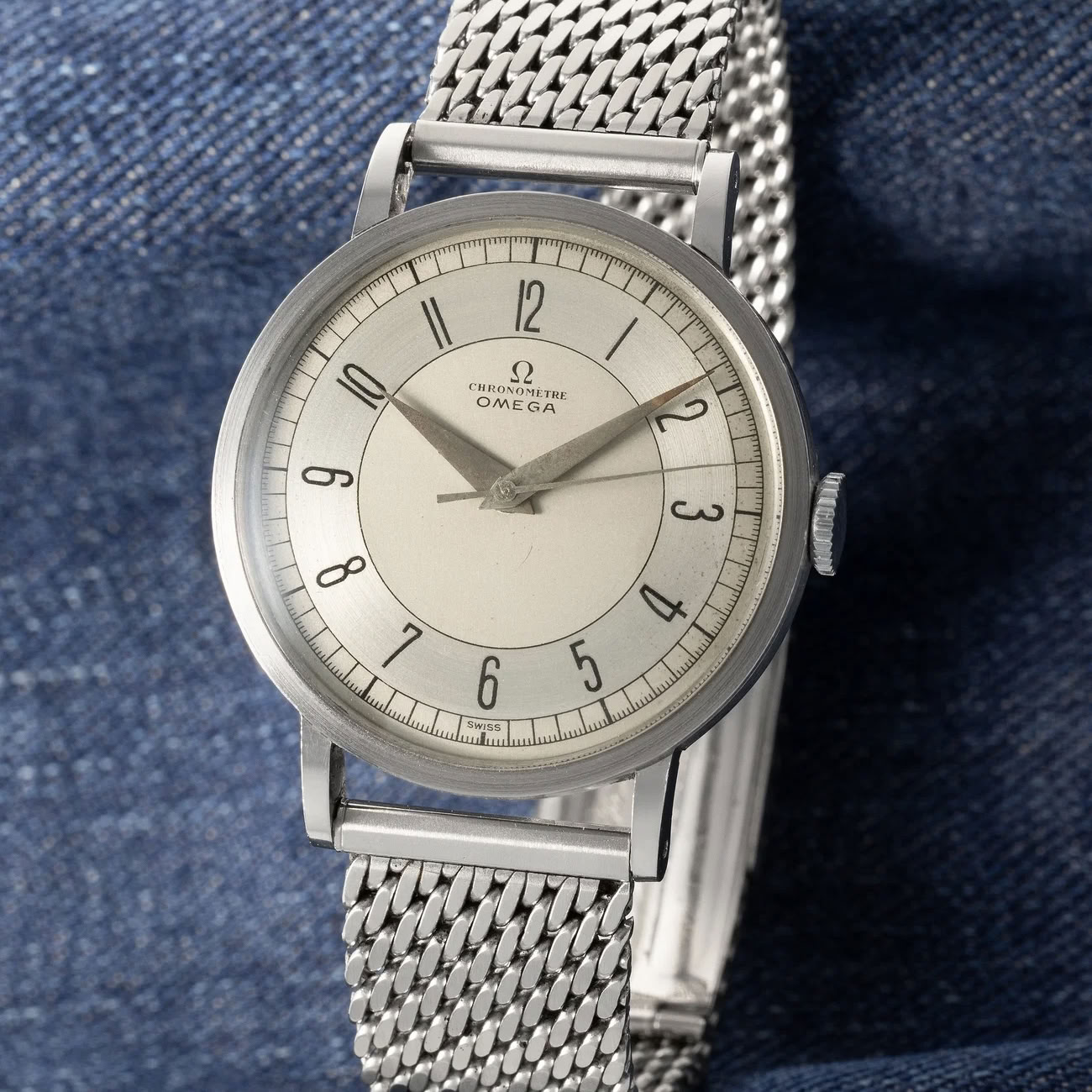
Asked which watches deserve particular attention in the sale, Goldberger immediately highlights Omega’s celebrated 30 mm calibre family. “I am very fond of Lot 19, a stainless steel Chronomètre fitted with the exceptional 30 T2 SC RG movement and a remarkable two-tone Arabic dial. The 30 mm chronometer movements remain among Omega’s greatest technical achievements, their precision and construction placing them alongside the finest Swiss movements of the period.” It is no coincidence that they continue to attract serious scholarly attention today, with Eric Lexer having published an interesting book on the 30 mm Chronometer wristwatches.
For collectors approaching vintage Omega for the first time, Goldberger’s advice is refreshingly uncomplicated. “Buy what you like, and buy the best condition you can.” It is the philosophy that has guided his own collecting throughout the past twenty years and one that remains as relevant today as ever.
Now, however, the time has come for the collection to begin a new chapter. Goldberger explains that he is gradually refining his collections, although a handful of particularly important Omega watches, including examples in white gold, platinum and cloisonné enamel, will remain with him. The decision is not driven by the market, but by a belief that every important collection should eventually pass into new hands.
“The task is to preserve, conserve and pass on something that, without the passion of collectors, could disappear from the face of the earth,” he says. “Collectors are the guardians of time.”
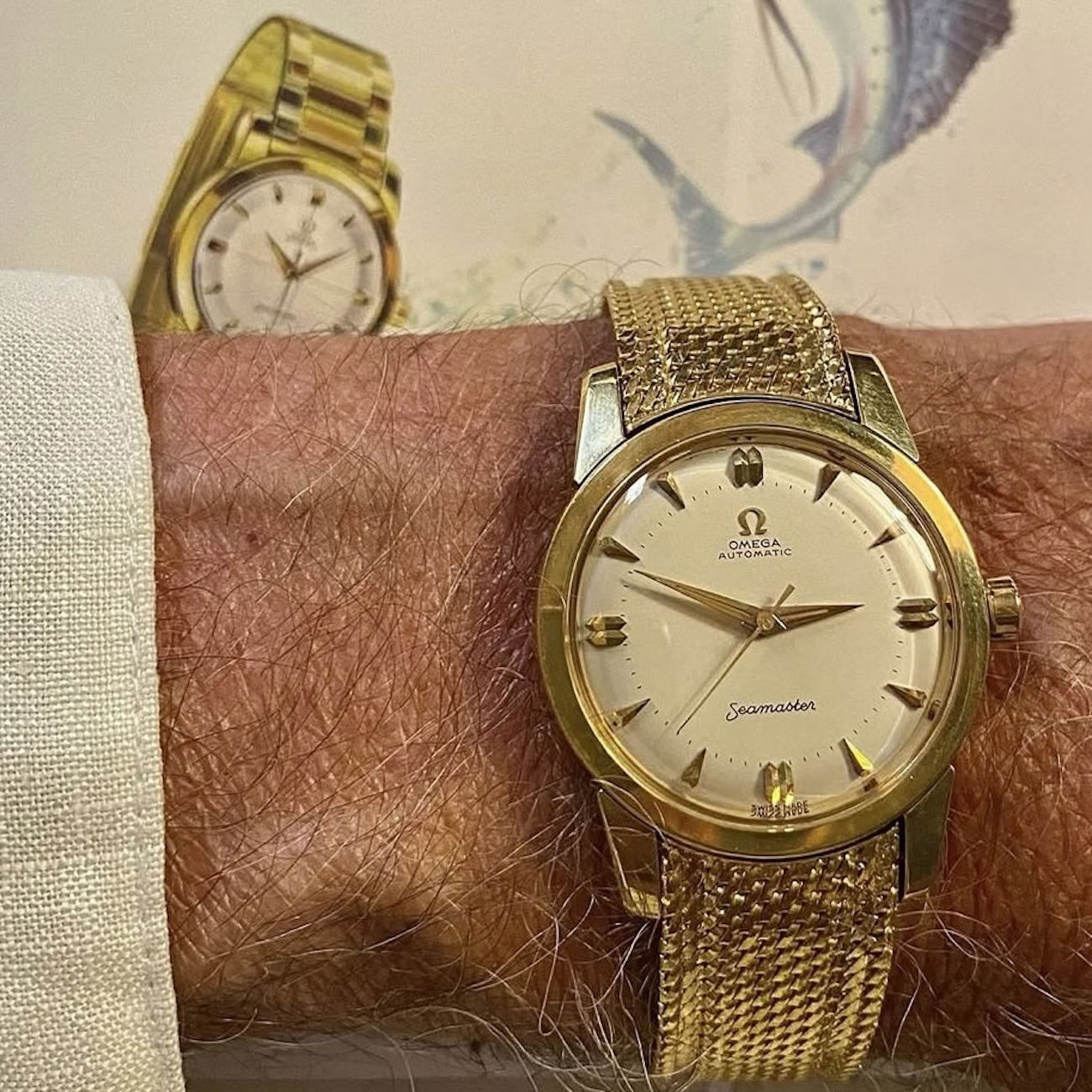
There could be no more fitting description of this remarkable collection. These 48 watches are not simply examples of Omega’s rich history; they are the product of two decades of thoughtful collecting by one of the most respected names in the field. This July 25th, Monaco Legend Group offers collectors the opportunity not simply to acquire an exceptional vintage Omega, but to become the next custodian of a collection assembled with scholarship, discernment and genuine passion.
Check out the 48 lots here.